
What is creatine monohydrate?
Today we are talking about a supplement like creatine. You probably hear about it often; perhaps the topic is already “too familiar” to you, but today we will examine it from a scientific perspective: Who really needs creatine, and how does it work?
Be sure to read the article to the end, and you will learn how to take Creatine sensibly and what taking it can do for you.


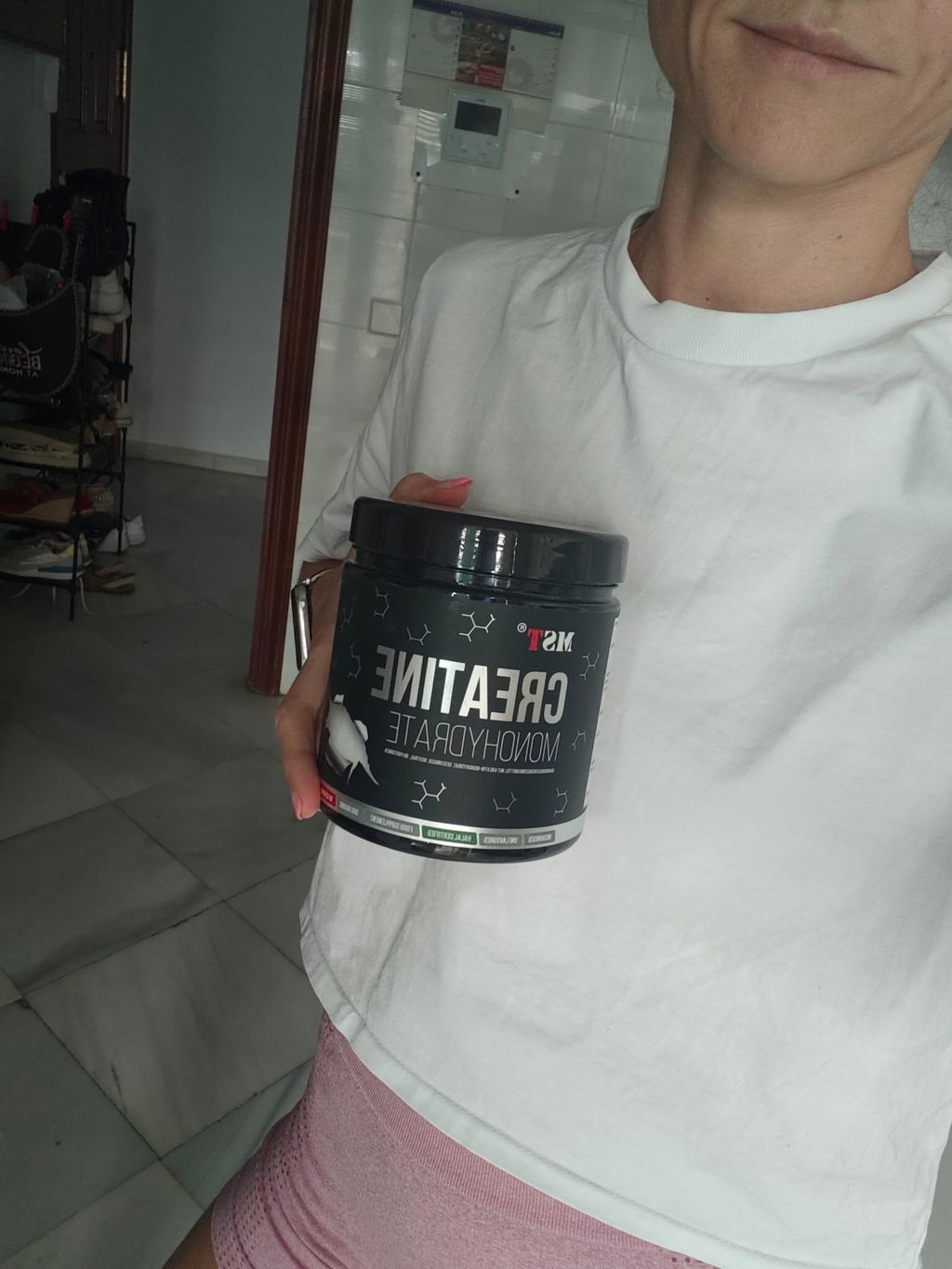
Creatine Pro Creapure® 300 g Neutral


Creatine Monohydrate 180 Capsules
The most common mistake: using Creatine incorrectly
The most important mistake many people who use Creatine make is using it at the wrong time. Many try to take creatine when they want to get “defined,” or they consume it like a “miracle cure” while building mass - without thinking about the purpose of taking creatine.
Yes, creatine can support processes that are relevant in a sports context. It can help you gain weight - but only if you use it correctly. Taking it makes sense when your goals and training match the situations in which creatine is typically used.
The effect may look like being able to complete 1–2 more repetitions than before when training at your performance limit (high intensity / multiple repetitions). This creates more stress on the muscle fiber, potentially a greater training stimulus, more adaptation, and therefore more progress in the long term - provided that training, nutrition, and recovery are on point.
Creatine may also help you recover more easily and quickly. Therefore, it is important to use creatine primarily when you train really intensely and want to gain a specific benefit from it.
Studies and dosages: a cautious assessment
There are studies showing that in investigations over longer periods, 5 g, 10 g, or 15 g per day were also used.
At the same time, it is clear that the world of dietary supplements often involves many vested interests. Therefore, studies should always be critically evaluated - and it should be understood that many claims may also be contradicted by other studies with different results.

Creatine in foods
Creatine also occurs naturally in many foods, especially:
-
red meat,
-
oily fish,
-
Poultry.
BENEFITS OF CREATINE
Today we will briefly examine (as key points) findings from specialist articles and meta-analyses in scientific publications that are frequently mentioned in connection with creatine.
Benefits:
-
Creatine monohydrate is considered one of the best-studied ergogenic substances for supporting strength performance and performance during intense exercise - and can be used to support muscle growth.
-
Monohydrate is very commonly used in sports nutrition. In healthy adults, it is described as well tolerated at usual amounts in many studies.
-
In practice, creatine is sometimes also discussed in the context of young athletes - among other reasons, because some authors argue that using legal, well-researched supplements could reduce the motivation to turn to riskier substances. (This is a discussion, not a promise.)
-
The use of creatine by adolescents is also sometimes discussed. In Germany, however: Minors should generally take it only after consulting a doctor or nutrition professional and with their parents’ consent. This is the safe and responsible recommendation.
The following rules are often mentioned:
-
children/adolescents take creatine only under professional supervision;
-
they eat a whole-food, balanced diet;
-
they know how to take creatine correctly and do not exceed the recommended dosages.
Some products state “not for use under 18.” This is often for legal protection. Regardless, the conservative recommendation in Germany is: under 18 only after consulting a doctor.
-
Among the types of creatine, creatine monohydrate is considered the most well-supported and effective option.
-
Creatine is sometimes recommended together with fast carbohydrates.
Yes, taking creatine monohydrate with carbohydrates can facilitate absorption in practice - however, daily, regular intake remains the key. -
There are two intake models: with a loading phase or without a loading phase.
-
With a loading phase: Take 0.3 g per kg of body weight daily for 5-7 days, then switch to 3-5 g per day.
-
Without a loading phase: Take 3-5 g per day directly; it then takes a little longer to saturate the stores.
-
There are studies that have examined very high amounts over extended periods. Such data are often debated - however, this does not automatically support a general recommendation for extremely high dosages.
Simply put: Creatine can help you train more intensely, become somewhat stronger, and support your performance during short, intense bouts of exercise. If this is combined with sensible training and an appropriate diet, progress is more likely. However, many people see no change because their training and recovery are not suited to using the supplement.
How should you take creatine correctly?
When you take creatine, it can cause water retention. As a result, some people look "puffy" (in the face, legs, and hands).
Taking it is generally simple.
A common mistake is that people see water retention and think they should drink less. That is exactly wrong.
Fluid intake should not be reduced. On the contrary, it makes sense to drink enough throughout the day - in practice, approx. 2-3 liters is often mentioned (depending on body weight, activity, and temperature; some people consume even more).
Many people also believe that creatine should only be taken before training.
In fact, you can take creatine before or after training. Some people take a small amount after training - the most important thing is to take it daily, not just on training days.
With water or grape juice?
Many people ask: with water or grape juice?
Grape juice contains many carbohydrates. Therefore, it is often mentioned when it comes to the combination “creatine + carbohydrates”.
In principle, creatine can also simply be taken with water - regularity and the right dosage are more important than the perfect “mix”.
What should you take creatine with?
Creatine is often combined with:
-
fast carbohydrates (e.g. juice, sweetened tea),
-
a protein shake after training.
Important: drink enough to support hydration.
Beta-alanine or BCAA are also sometimes mentioned as combinations.
Side effects of creatine
Dehydration (too little fluid)
Even if you appear “watery” on the outside, too little fluid can cause problems. Therefore: drink enough.
Gastrointestinal problems
A common issue is gastrointestinal problems such as bloating or diarrhea. This often happens with too high a dose or when the portion is too large at once.
If this happens: halve the dose or divide it into smaller portions.
Cramps
Some people report cramps. This is often related to fluid and electrolyte balance. Drink enough and pay attention to electrolytes.
More frequent urination
Increased urination can occur, especially if you drink more. The body may also excrete fluids differently throughout the day and evening.
Creatine and hormones
Regarding the question of “impact on male hormone levels”: Creatine is generally not described as a directly hormonally active substance. Changes in training (greater intensity) can indirectly affect the overall picture - but training, sleep, and recovery are the decisive factors.
Creatine and weight loss
Another misconception: Creatine “prevents” weight loss.
Creatine does not prevent fat loss. It can even be useful during a diet because it can help you maintain your training performance. While taking it, the scale may look different due to water retention. After stopping, the body's fluid balance usually returns to normal.
Experiences / reviews of creatine monohydrate
Creatine receives predominantly positive reviews. Many users report:
-
more strength,
-
better training performance,
-
better recovery.
Some people notice slight water retention. With the right dosage and sufficient fluid intake, creatine monohydrate is one of the most popular supplements in fitness.